How UGC videos lower your cost per sale (and when they don't)
What we've learned from UGC ads across several European markets: when they lower cost per sale, when they don't help, and how to brief and test them.
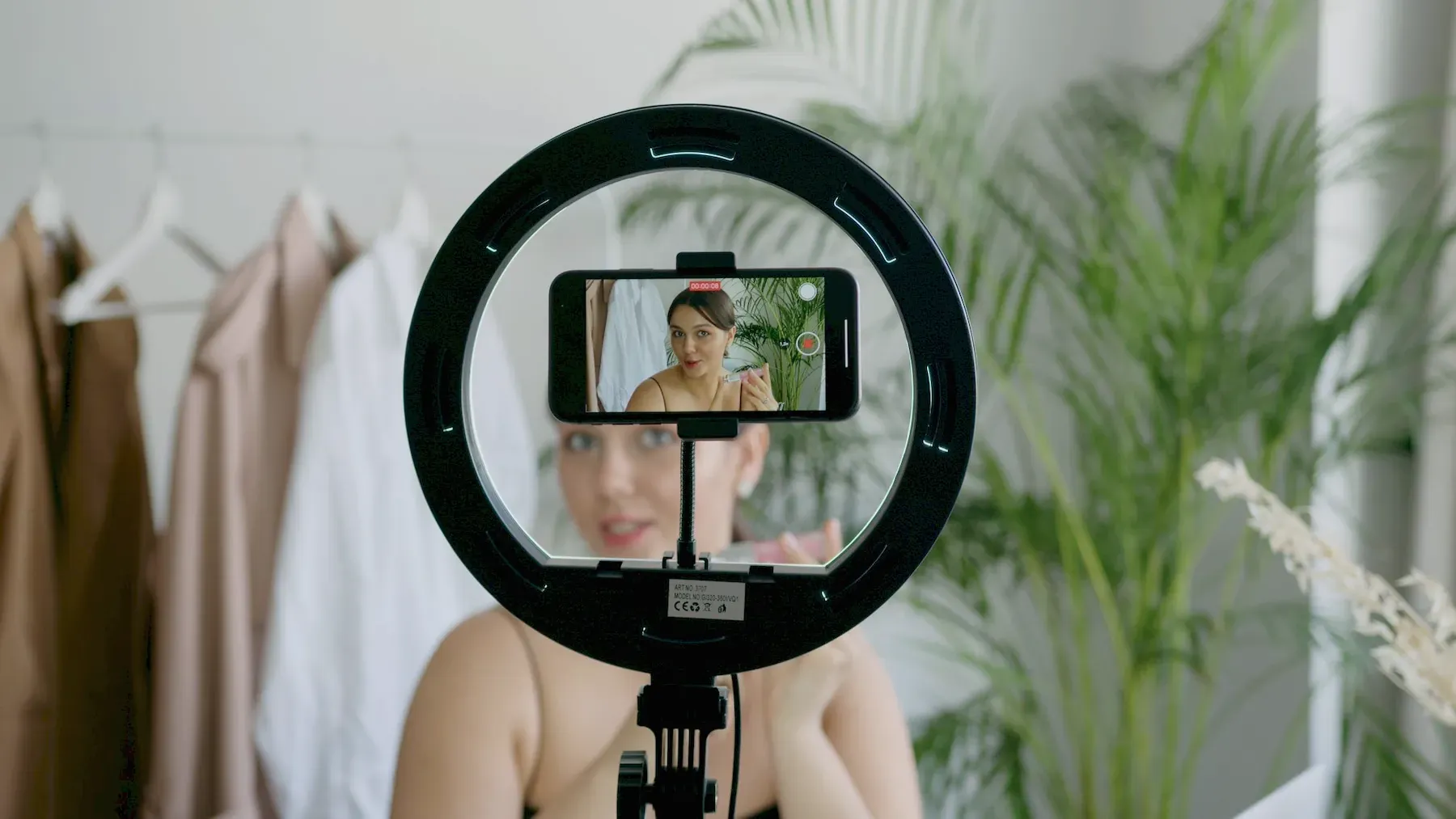
UGC (user-generated content) is an ad that looks like a normal post: someone films on their phone, talks straight to the camera and shows the product in a real setting. In a feed full of videos from friends, it doesn’t read as an ad, so people watch it longer.
In our campaigns UGC often lowers the cost per sale, but there are cases where it doesn’t help.
Why UGC usually works
The first reason is trust. A person explaining how they use a product sounds more convincing than a polished studio ad. The second is production cost. One UGC video costs far less than a professional shoot, so the same budget lets you test five, ten or twenty variations. In paid social, the number of creatives you test is one of the biggest drivers of results.
Show the product early
The most common mistake we’ve seen is a video where the product only appears at the end. Viewers follow the story, like the person and scroll on without knowing what was for sale. View metrics look fine, purchases don’t come.
So in our scripts the product is shown and named in the first few seconds. The story can carry on after that, but the viewer already knows what it’s about.
The brief matters more than the shoot
A finished UGC video is rarely reshot. The creator recorded it once, sometimes in another country, and getting new footage is slow and expensive. If you later need a change, for example to meet platform rules, you can usually only cut parts out. You can’t change what was said.
That’s why everything important has to be in the brief before filming:
- exactly when the product is shown and named;
- which claims are off limits, especially for supplements, cosmetics and intimate care;
- the action at the end (for example “order from the link”);
- format, length and vertical framing.
Across markets: a creator who speaks the language
When we advertise in several countries, we look for creators who speak the market’s native language. Subtitles over a foreign-language video don’t have the same effect. Tone matters too: in some markets people expect an informal voice, in others it comes across as pushy. That applies to the ad copy and to any reviews you quote.
When UGC doesn’t help
These are the cases where we’ve seen other formats win:
- The offer is weak. If the price or proposition isn’t interesting, no video will save it.
- The product needs to be seen in detail. For some products, quality and craftsmanship sell, and a professional photo or video does better.
- Simple is clearer. We’ve tested UGC against static banners and against stock footage with a voiceover. Sometimes a static banner with one clear benefit and a price has a lower cost per sale than any video.
- The category is heavily regulated. A creator may say something the platform doesn’t allow and the ad gets rejected. Here the brief and a review before launch are essential.
How we test UGC
We run several different openings of the same video, because the first two or three seconds decide whether anyone stays. We compare variations on cost per sale. Clicks and views are only a guide, because a cheap click with no order brings nothing.
We also check the whole funnel every day: how many people reach the page, how many start checkout and how many finish. That shows whether the problem is the ad or the page after it. Winning videos get more budget and new variations. The rest get switched off.