Why creative and media buying should sit with one team
When creative and media buying are in different hands, you lose the most valuable thing: the data on which ads sell. How we work to avoid that.
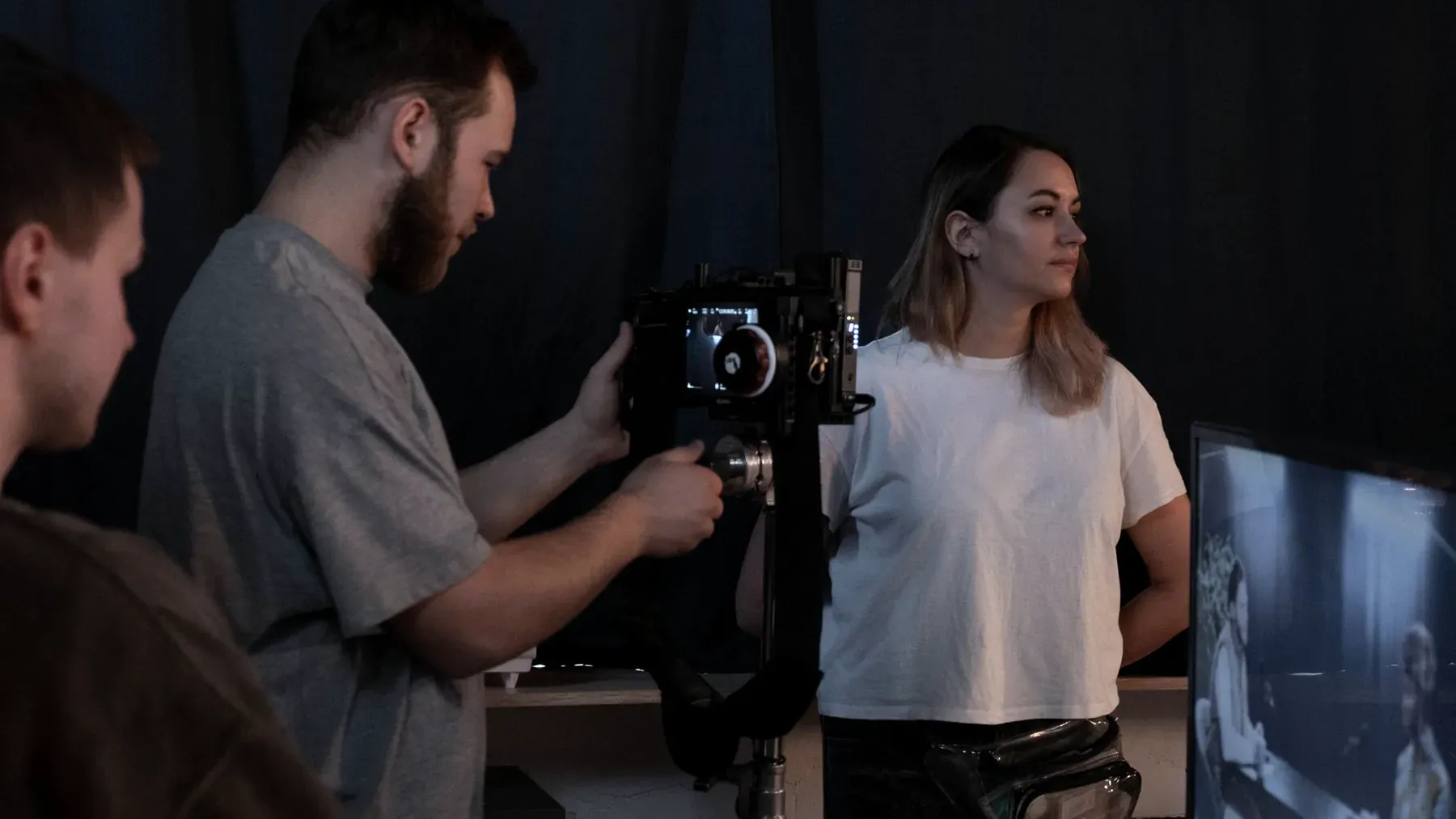
In many companies ads are made in two places. A designer or content agency produces the banners and videos, and someone else launches them and manages the budget. On paper that looks sensible. In practice the information that decides results gets lost between the two: which ads sell and why.
What gets lost between two teams
The person running the campaigns sees every day which creatives bring orders, at which second people stop watching, and which message leads to cheap clicks but expensive sales. The designer usually gets a short note along the lines of “make a few more like this one”.
So new creative gets made on instinct instead of data. It often looks better than the old ads and sells worse.
What it looks like as one team
When the same people make the ads and run them, new creative starts from the numbers.
If one banner sells at the lowest cost, the next ones follow its model: the same structure and type of headline, with a different benefit up front. If a video loses people at the third second, the next version changes only the opening. If a price or offer works, it’s shown the same way across all ads, so the customer sees the same thing from the ad to the checkout.
The page after the ad is part of the creative
The ad makes a promise and the page has to deliver it. When people click but don’t buy, the problem is often there. We check the funnel every day: how many reach the page, how many start checkout, how many finish. If the drop comes after the click, we open the page’s heatmap recordings and see how far people scroll and where they give up.
Then the page copy and layout change by the same logic as the ads. That’s why we prepare the ad and the page together.
The brief carries the data
Every new creative, whether a banner, a voiceover video or UGC, starts with a brief that includes:
- which ad performs best right now and what sets it apart;
- which message or benefit we’re testing this time;
- what can’t be said in this category;
- how we’ll know whether the new version is better.
When the brief is written by the person who watches the results, the creative starts with an advantage.
What this means for you
If you work with separate people for creative and for ads, the easiest step is to connect them: every week the designer should see which ads sold and what each sale cost. If you work with an agency, ask whether the people making your ads see their results. If the answer is no, that’s where money is being lost.