AI video ads: how we actually use them
Where AI genuinely speeds up video ad production (scripts, voiceover, subtitles, versions for other markets) and which decisions we leave to a person.
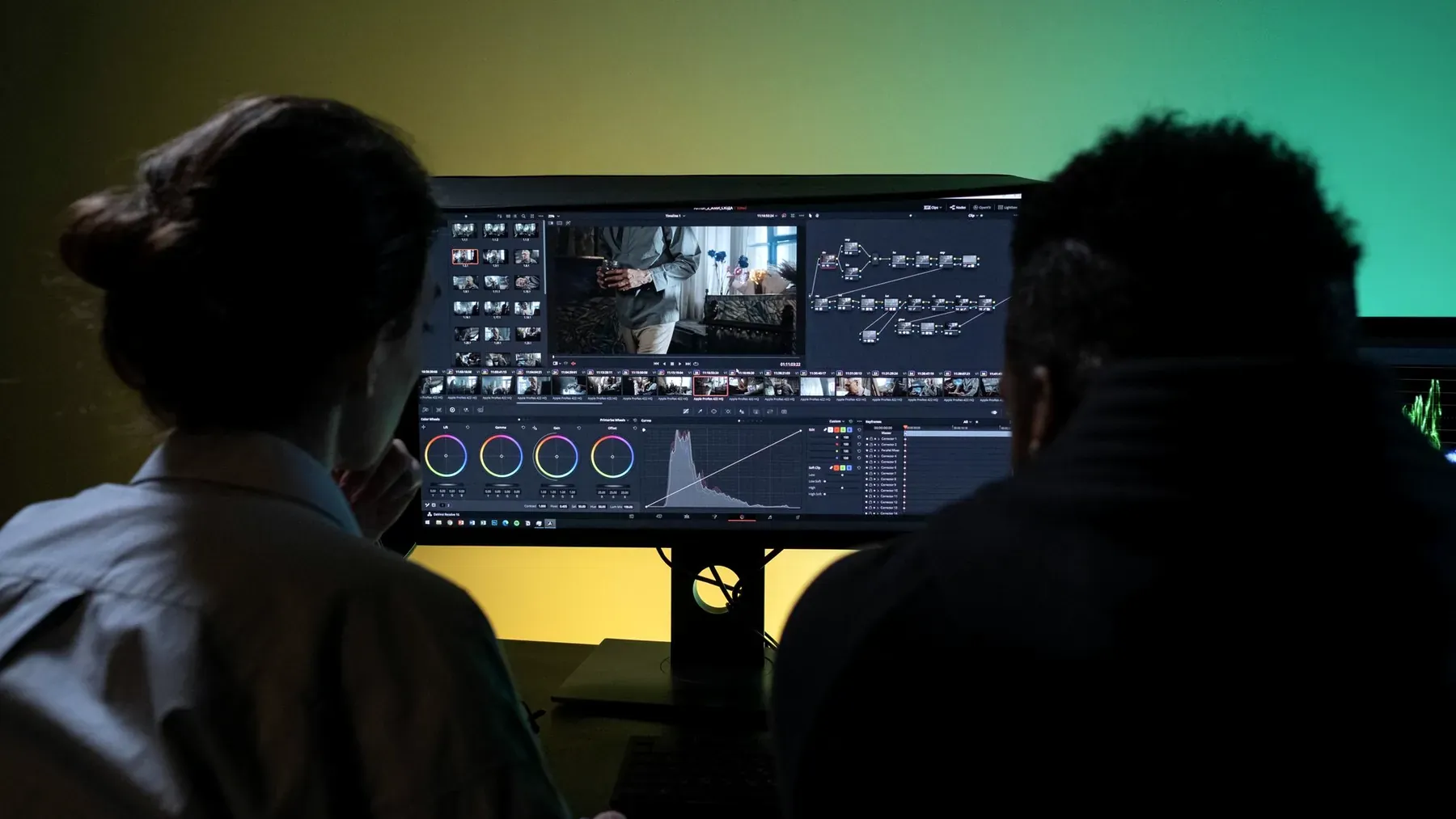
Video ads used to be expensive because of production: a scriptwriter, a film crew, editing, voiceover. One test took weeks and a budget most small businesses don’t have. What AI mainly changed is speed. We can prepare several versions of a video in days and put them into testing before spending anything on a shoot.
Scripts and openings
We start from the ads that already sell: the message, the second at which the product appears, the call to action at the end. AI gives us first drafts of new scripts in that structure and dozens of variations on the first two or three seconds. A person chooses which ones get made. Good openings almost always come from a real customer problem, so the drafts get rewritten.
Stock footage with a voiceover
One format we test regularly is a video built from stock footage with a voiceover. Clips are chosen to match the script, the voice is recorded or generated, and subtitles are added separately. That way a new version can be made without filming anything. Sometimes this kind of video sells for less than UGC, sometimes the opposite. So we test them side by side.
Versions for other markets
This is where AI saves the most time. One video can get versions in several languages: a new voice, new subtitles, translated on-screen text. The copy still goes through the same three steps as any ad translation: a base translation, a rewrite by someone who knows the market’s language, and picking the best of both. A mechanical translation is obvious straight away, especially in the voice.
What we don’t do with AI
We don’t change what real people said. If a UGC video needs a fix, we only cut it, without generating new lines in the creator’s voice. We also don’t make “AI people” who pose as real customers. Platforms label them more and more, and viewers recognize them and stop trusting the ad.
How we split the work
- AI: script drafts, opening variations, voiceover, subtitles, versions in other languages, a quick read of the results.
- A person: which message we test, which versions go live, checking claims against the category’s rules, final approval.
A video made this way goes into testing within days. If it sells, you can then invest in a shoot with the same message.